Commercial cleaning is changing from a collection of isolated manual tasks into a more structured facility-management process. Equipment is increasingly selected not simply because it cleans, but because it can help employees work more systematically, manage repetitive tasks, improve ergonomics, and maintain consistent routines.
This broader approach has increased interest in Smart Cleaning Tools among hotels, hospitals, offices, malls, educational institutions, commercial buildings, and cleaning service companies.
What Makes a Cleaning Tool Smart
The term does not necessarily mean that every product needs software, sensors, or internet connectivity.
In practical facility management, smarter cleaning can also involve equipment designed to improve productivity, reduce unnecessary handling, simplify movement, support controlled dispensing, improve ergonomics, or organise cleaning supplies more effectively.
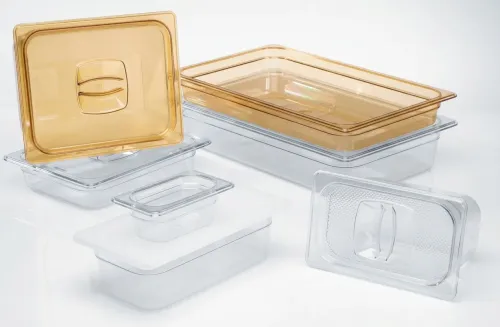
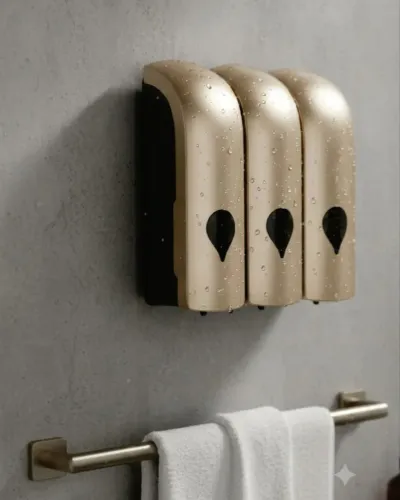
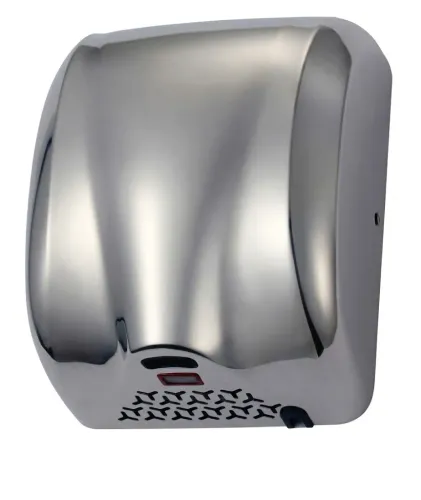
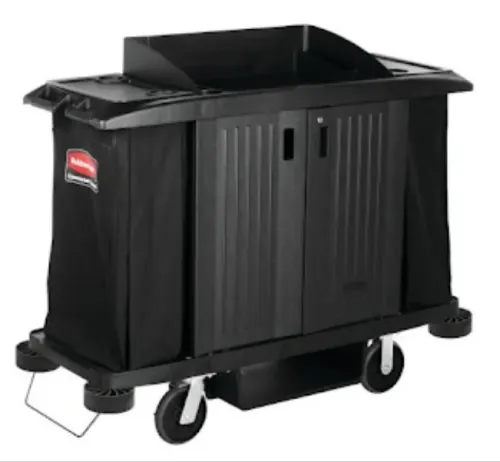
Examples can include touch-reduced hygiene equipment, organised housekeeping systems, advanced mop systems, purpose-designed cleaning tools, sensor-operated products, and equipment suited to structured commercial cleaning programmes.
Start With the Problem Rather Than the Product
Buying new equipment without identifying the problem often leads to underused tools.
Facility managers should first review existing cleaning operations and ask:
- Which activities consume the most time?
- Where do employees make repeated trips?
- Which areas are difficult to clean?
- Where are consumables frequently wasted?
- Which tools create unnecessary physical effort?
- Which hygiene touchpoints require greater attention?
- Which tasks produce inconsistent results?
The answers provide a better basis for selecting equipment.
Ergonomics Can Influence Daily Productivity
Cleaning employees perform repetitive movements throughout their shifts.
Tool weight, handle design, mobility, reach, storage, and operating method can therefore affect usability. Equipment that is difficult to handle may not deliver its expected benefits even when its technical design appears impressive.
Where possible, facility teams should evaluate how the product fits actual cleaning tasks and employee workflows.
Standardisation Helps Large Facilities
Large commercial properties often use multiple types of cleaning equipment across different departments.
Unnecessary variation can complicate training, storage, maintenance, and replacement planning. Standardising suitable tools for repeated applications can make procedures easier for employees to understand.
This is particularly relevant for facility management companies and cleaning contractors serving multiple sites.
Measure Results After Implementation
The value of Smart Cleaning Tools should be assessed through operational outcomes rather than novelty.
Depending on the equipment, useful measures might include:
- Time required for a defined cleaning task
- Number of replenishment trips
- Consumable usage
- Equipment downtime
- Staff feedback
- Maintenance frequency
- Cleaning consistency
A short evaluation period can help managers understand whether the new system is actually improving the workflow.
Know When the Facility Is Ready to Upgrade
A facility may be ready for upgraded cleaning equipment when existing tools regularly create bottlenecks, cleaning teams have expanded, footfall has increased, hygiene procedures have changed, or management wants greater consistency across multiple areas.
Procurement should still remain application-specific. Expensive technology is not automatically smarter if a simpler professional tool solves the problem more effectively.
Choosing Commercial Cleaning Solutions in Delhi
Hotels, hospitals, offices, malls, educational campuses, restaurants, institutions, and commercial properties across Delhi operate under different cleaning pressures. High footfall, large floor areas, multiple washrooms, public-facing spaces, and extended operating hours can make efficient equipment particularly valuable.
Continental Hygiene Concepts supplies commercial cleaning, hygiene, housekeeping, and hospitality products for professional facilities. Buyers exploring Smart Cleaning Tools can begin by identifying workflow problems and then evaluating equipment according to usability, durability, maintenance, compatibility, and expected operational benefits.
The most effective cleaning upgrade is not necessarily the most technologically advanced one. It is the tool that solves a clearly defined problem, works reliably within existing procedures, can be maintained properly, and helps cleaning teams perform their responsibilities more consistently.
Keywords